
Taylor
Taylor, ACT
- Design category
- Fully Accessible
- The house
- 4 bedrooms, 2 bathrooms
- House coordinator
- [coordinator]
- Suits
- [who this home suits]
[Two lines on what daily life in this house is like, and who would fit well here.]
Confirmed [date]
For support coordinators, discharge planners, PTG delegates and LACs
You are building a shortlist and your time is funded by the hour. This page tells you what we take, what we do not, and who to call. You do not need a discovery call to find out whether we can help.
Every referral gets a yes, a no, or a date, within one business day.
Service Managers are contactable directly. There is no call centre to navigate and no ticket queue to wait in. If we cannot take the person, we will say so plainly and tell you why, so you can keep moving.
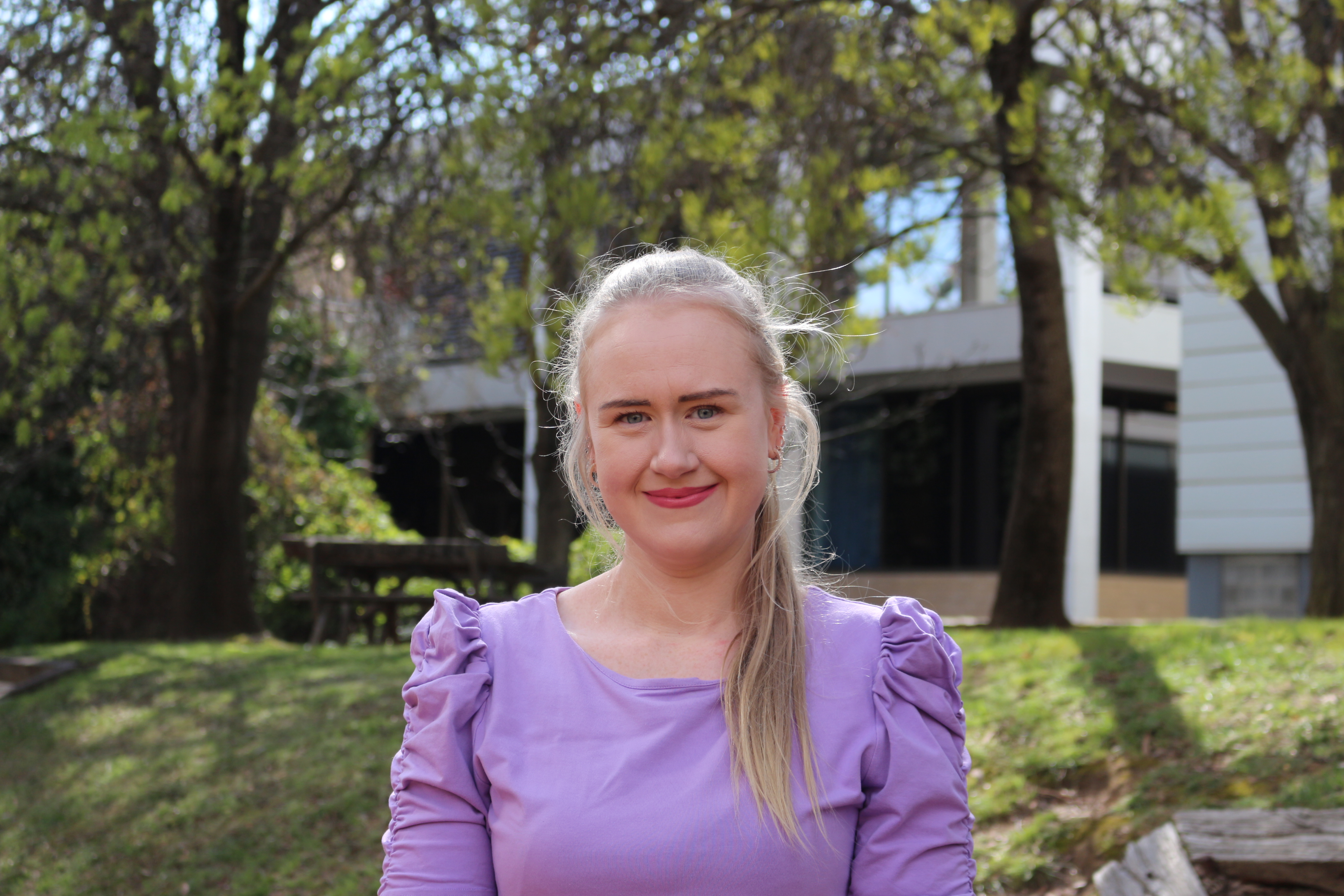
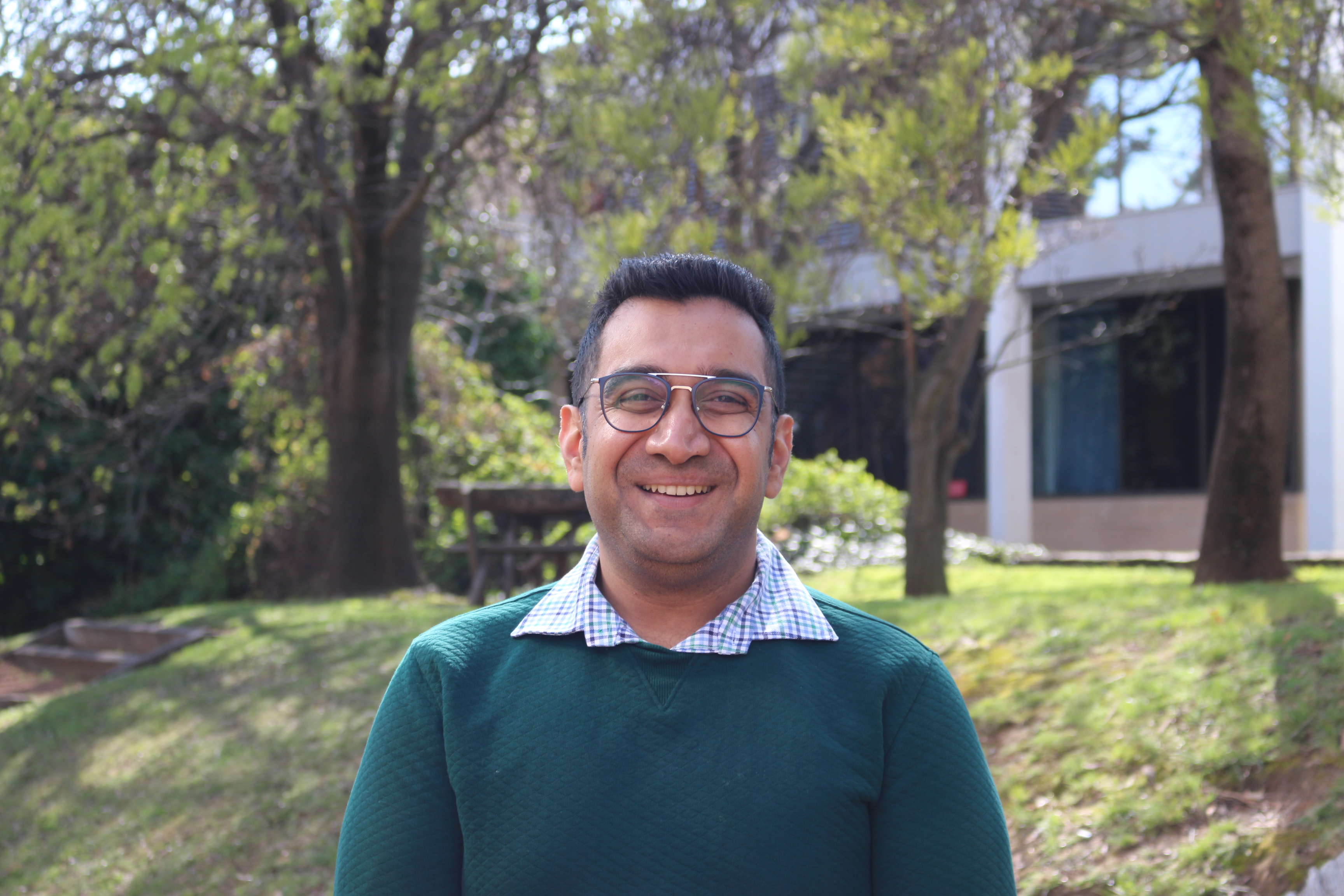
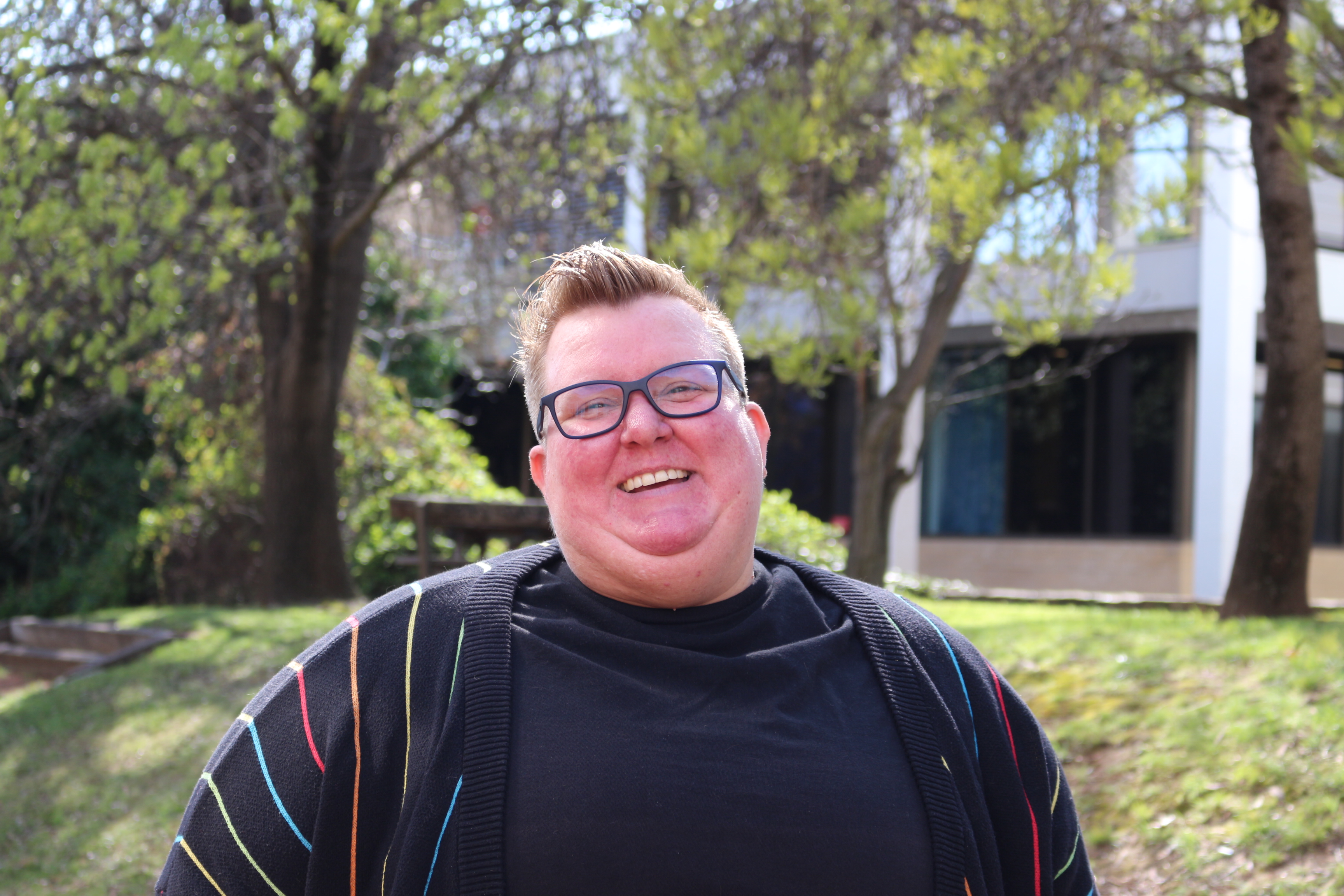 Joseph Parappilly, Carly Bell and Rach Sinclair
Service Managers · direct lines [to confirm]
Joseph Parappilly, Carly Bell and Rach Sinclair
Service Managers · direct lines [to confirm]
Updated after every vacancy review. If a line says full, the waiting register is still worth joining, because it moves.
Capacity by service line · confirmed [date] · next review [date]
| Service | Status | Notes for referrers |
|---|---|---|
| Supported Independent Living | [status] | See our homes for specific vacancies, SDA design category and who each home suits. |
| High intensity supports | [status] | Delegated health care including tracheostomy, ventilation, enteral feeding, complex bowel care and severe dysphagia. |
| Core supports | [status] | Personal care, household tasks, community participation, transport. |
| Support coordination | [status] | Level 2 Coordination of Supports. Charged in 12 minute increments. |
| Psychosocial recovery coaching | [status] | For participants with psychosocial disability arising from a mental health condition. |
| Community activities | [status] | Group sessions across Canberra. Ask us which days have room. |
Read this before you spend time on a referral. We would rather lose ten minutes of your attention now than three days of it later.
If we cannot help, we will tell you who might.
No referral is required if the funding is already in the person's plan. They can simply choose Focus ACT as their provider in the myplace portal. A person can self-refer, be referred by a family member or carer, or ask you to connect them.
A service agreement is established before support begins. If support coordination is not yet funded, you or the participant can ask their LAC or planner to include it in the next plan.
All rates are the NDIS catalogued price used to build a plan budget. Effective 1 July 2026, from the NDIS Pricing Schedule 2026 to 2027.
(02) 6282 9422, Monday to Friday 8am to 5pm. Ask for a Service Manager. You can also text 0411 556 945.
With a name and a direct line on it.
Against current capacity and the person's support needs.
Within one business day.
If it is a yes, we set up a secure way to share detail, then a service agreement before support begins.
For guardians, nominees and families deciding on someone else's behalf
Whether you are a parent planning for a time when you cannot provide the support yourself, or a guardian who has to be able to justify this decision, you should not have to take our word for anything. Every answer below links to something you can verify or a document you can hold.
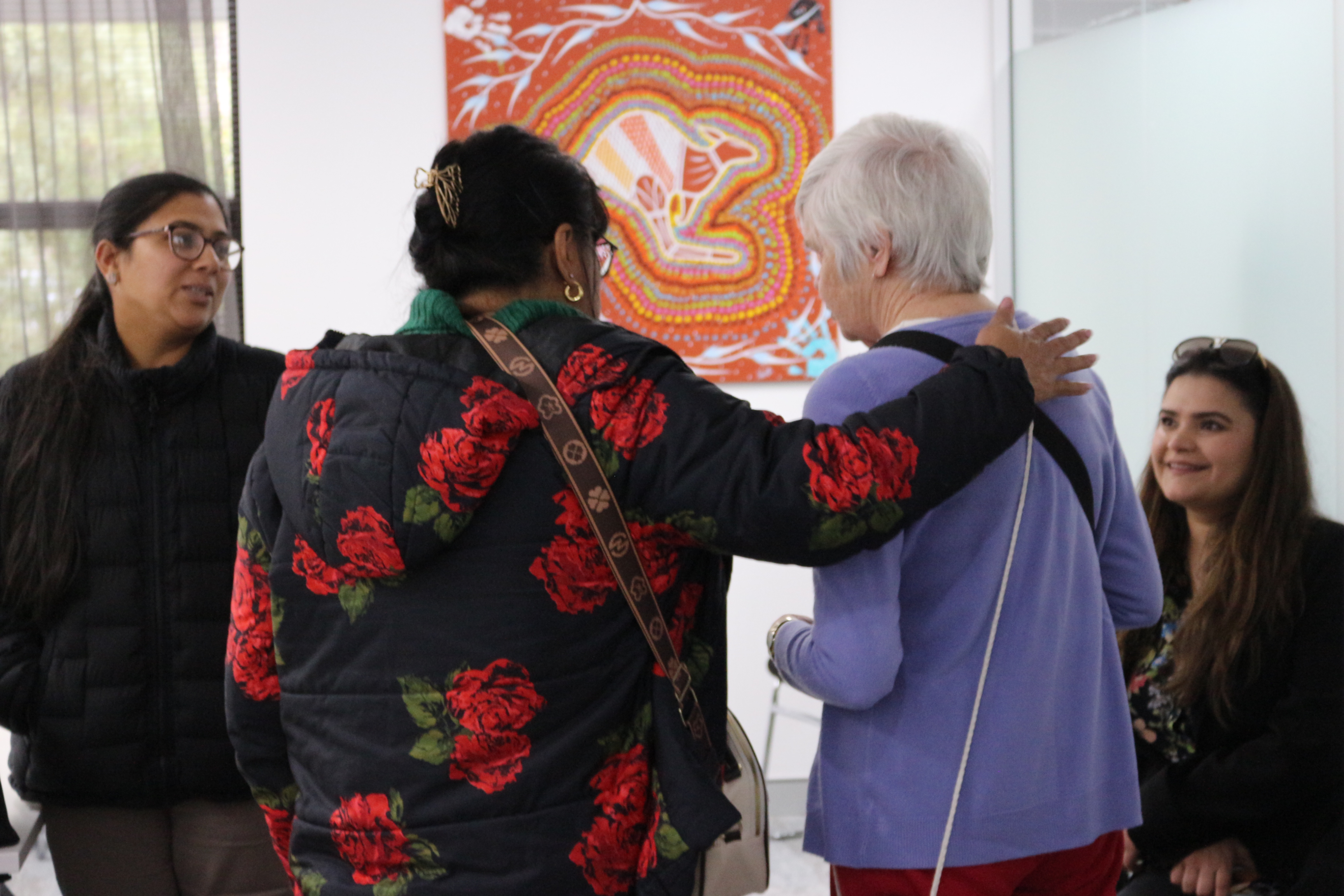
These are the questions we would want a family to ask if the person moving in were ours. Ask every provider on your shortlist the same six and compare the answers side by side.
Our leadership, Service Managers and Team Leaders are named and pictured on this site, with their backgrounds, before you meet anyone. Every worker completes comprehensive induction training before working with participants.
Training includes mandatory safeguarding and NDIS compliance, Person Centred Active Support accreditation, Positive Behaviour Support frameworks, and First Aid, medication and clinical care skills. Regular supervision and performance reviews are built into how we operate.
We also encourage a trial period when first matching a person with a support worker, and after that trial we keep that worker as the default, so the person is not re-explaining their life, preferences and routines to a different face each week.
You can raise a compliment, a suggestion, a concern or a formal complaint by phone on (02) 6282 9422, by email, or through the form on our feedback page. Formal complaints carry a 48 hour response commitment, and complaints channels are available 24 hours a day by phone and website.
If you are not satisfied with how we respond, three independent bodies can take it further, and we would rather you used them than stayed unhappy with us:
Making a complaint will never affect the supports a person receives.
A vacancy is not a bed to be filled. We look at support needs, routines, communication and what daily life in the house is actually like. Vacancies are reviewed by a panel every fortnight rather than filled first come, first served.
How prospective housemates meet. [The steps, in order, as ops actually run them.]
What a trial looks like. [How long, what happens during it, and who decides at the end of it.]
How families stay part of the conversation. [What families are consulted on, and when.]
If a match is not working. [How we raise it early, what we try, and how a move happens if it comes to that.]
The home, in person, more than once, at a time of day that tells you something. You can meet the team who would be supporting the person. There is no pressure step in our process and no deadline we will put on you.
Arranging a visit. Call (02) 6282 9422 or text 0411 556 945 and ask for a Service Manager. [How quickly a visit can usually be arranged.]
Who you will meet. [The Service Manager and Team Leader for that home, and current residents if they are happy to meet you.]
What to bring. [Anything useful, including the questions from this page.]
Needs change, and usually not at a convenient moment. When they do, our Service Managers can adjust supports without escalating through multiple approval layers, so changes happen in days rather than weeks.
We build a roster around the person's life rather than around what is easiest for us to staff, including evenings and weekends. If someone's health needs become more complex, we hold registration for high intensity supports, so a change in need does not automatically mean a change of provider.
We run a Guardian and Client Advisory Forum that meets every six to eight weeks. Each home holds House Meetings, and we publish quarterly "You said, we did" reports that go to those meetings and to our Board. We are also recruiting a Board member with lived experience of disability.
Your named contact. [Who it is, and how to reach them directly.]
How often you will hear from us. [Routine contact, and what triggers a call.]
What you will be told about incidents, and when. [The commitment, in plain words.]
What you can hold in your hand
Our registration, provider number and registration groups are published by the NDIS Commission on its own register. Our charity status is on the ACNC register. Our rates are the NDIS catalogued prices, published on every service page, so you can see exactly what a support costs before you talk to anyone.
Our provider number is 4050001755 and our registration ID is 4-3LLK-1362, both on the Commission's register. We have also published a plain language guide to what a service agreement with us actually involves. Ask us and we will send you our complaints and incident policy, our worker screening and training standards, and our most recent annual report, without a meeting first.
If a provider will not give you those before you commit to anything, that tells you something.
And you do not have to take our word on the rest either
"Ethical and considered in approach. Bringing people living with a disability into their community and supporting agency and diversity."
Tabitha Everdeen · Google reviewWe have 15 reviews on Google. We do not choose which ones appear there, and we reply to all of them, including the ones we would rather not have received.
We are a not-for-profit charity, which means we answer to a volunteer board rather than to shareholders. If you are making this decision on someone else's behalf and need to know who is accountable, this is where it stops.
 Chair
Chair[Background, and what he brings to the board.]
 Director
[Background, and what he brings to the board.]
Director of Workplace Relations and Policy at the Master Builders Association of the ACT. [What he brings to the board.]
[Affiliation and background.]
Owner of the Royal Hotel in Queanbeyan. [What he brings to the board.]
We are also recruiting a director with lived experience of disability.
The board receives reporting on our key business metrics, and the quarterly "You said, we did" reports that come out of our Guardian and Client Advisory Forum and House Meetings go to the board as well as back to the people who raised the issues.
Written by our own team, for people in your position.
We publish a newsletter every month for participants, families and carers. It carries the community activities calendar, what the team has been doing, and plain-language explanations of NDIS changes, including the current eligibility reassessments.
Read the latest issue · Browse all ten issues · Get it by email
Supported Independent Living and Specialist Disability Accommodation
Each home below shows where it is, who lives there now, and whether a room is free, with the date we last checked. If a home is full it is still worth joining the register, because we review vacancies every fortnight.
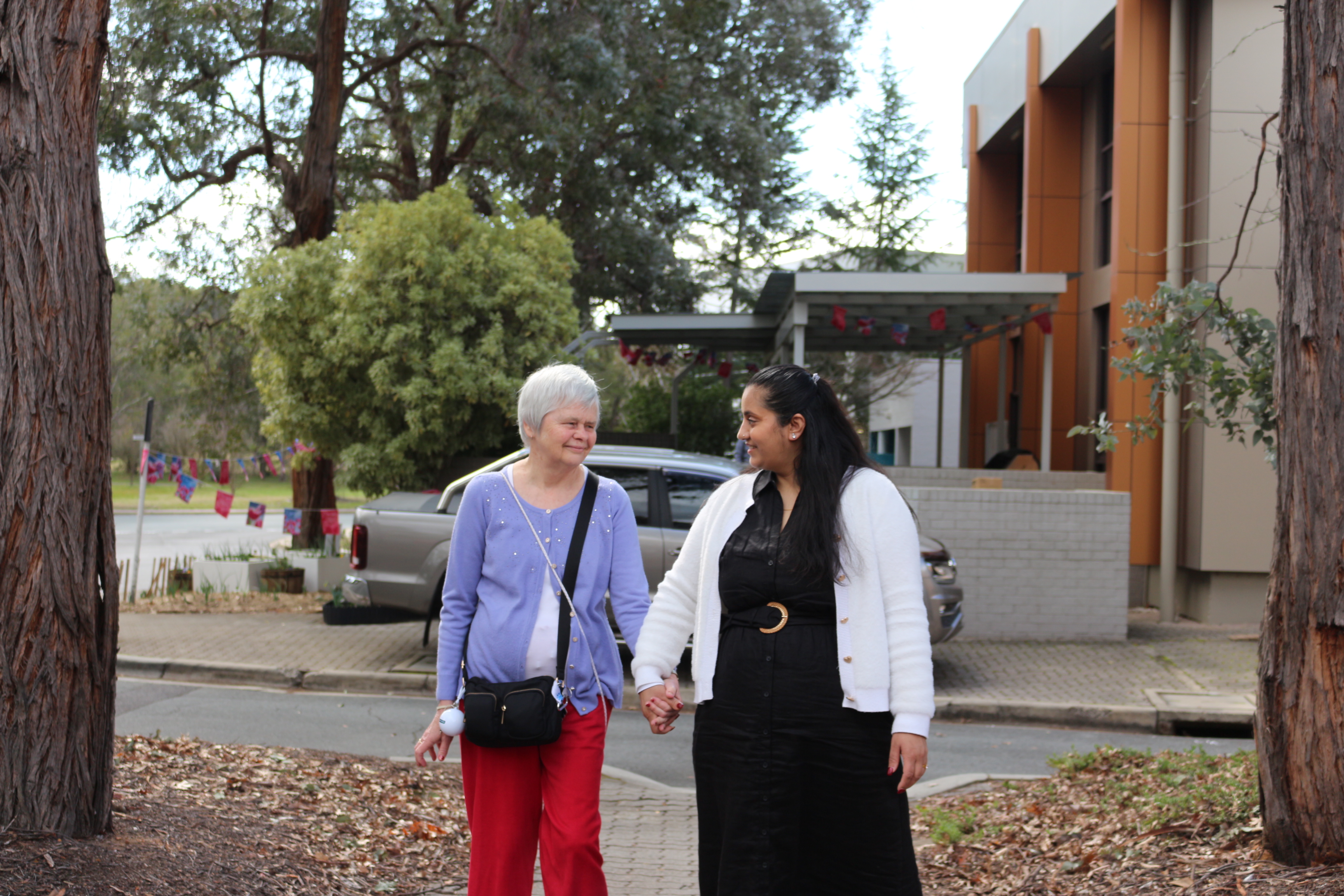
You can move into one of these homes and keep the support provider you already have. You do not have to switch to us to live here, and we will not make you choose. If you would rather we provided the support as well, we can, and plenty of people do. It is your call, and you can change your mind later.
Eight rooms available right now, across five homes
Every home below is one we can place someone into. We list the suburb rather than the street address, because these are people's homes and their privacy comes first. Ask us and we will take you there.
Taylor, ACT
[Two lines on what daily life in this house is like, and who would fit well here.]
Confirmed [date]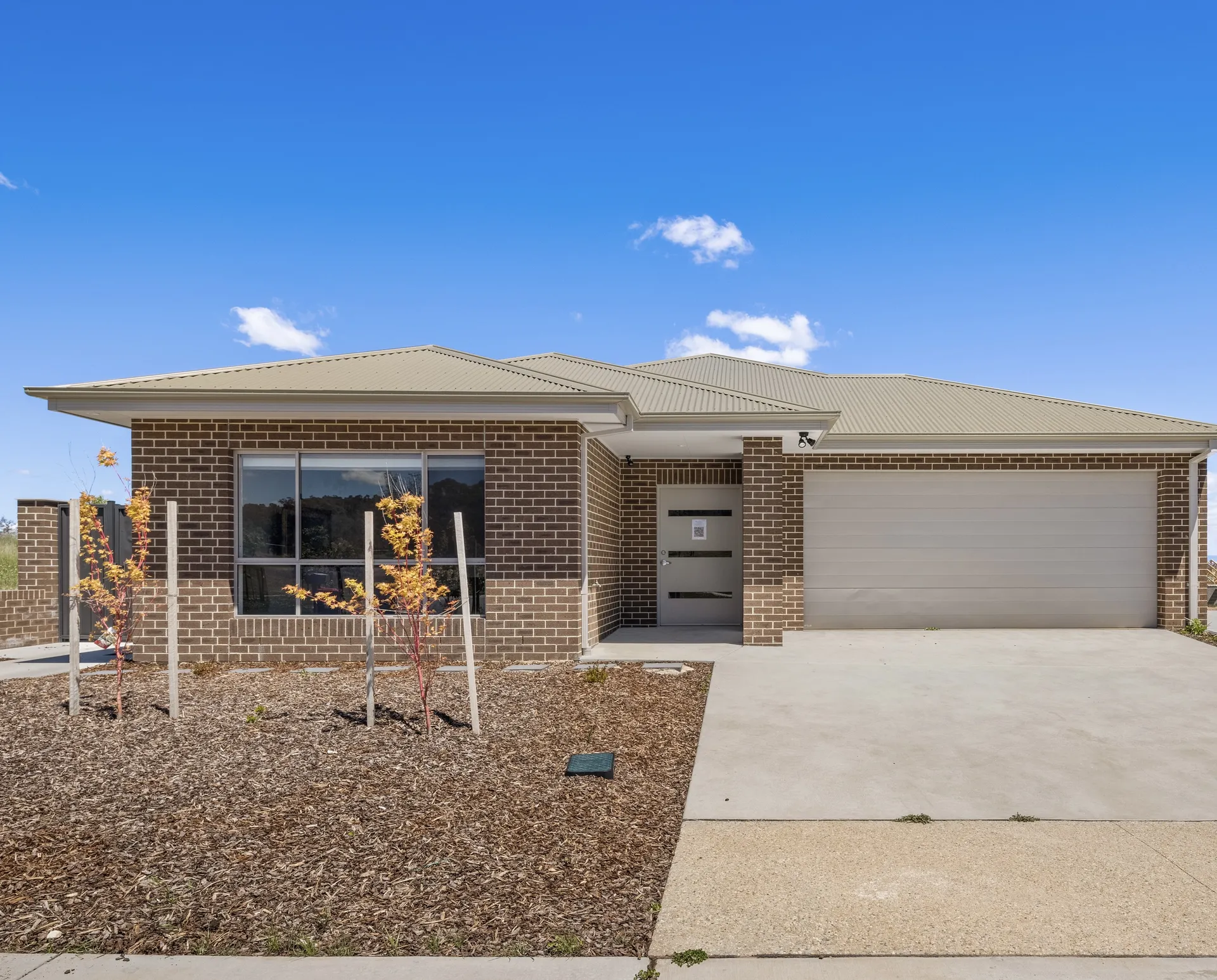
Taylor, ACT
[Two lines on what daily life in this house is like, and who would fit well here.]
Confirmed [date]
Higgins, ACT
[Two lines on what daily life in this house is like, and who would fit well here.]
Confirmed [date]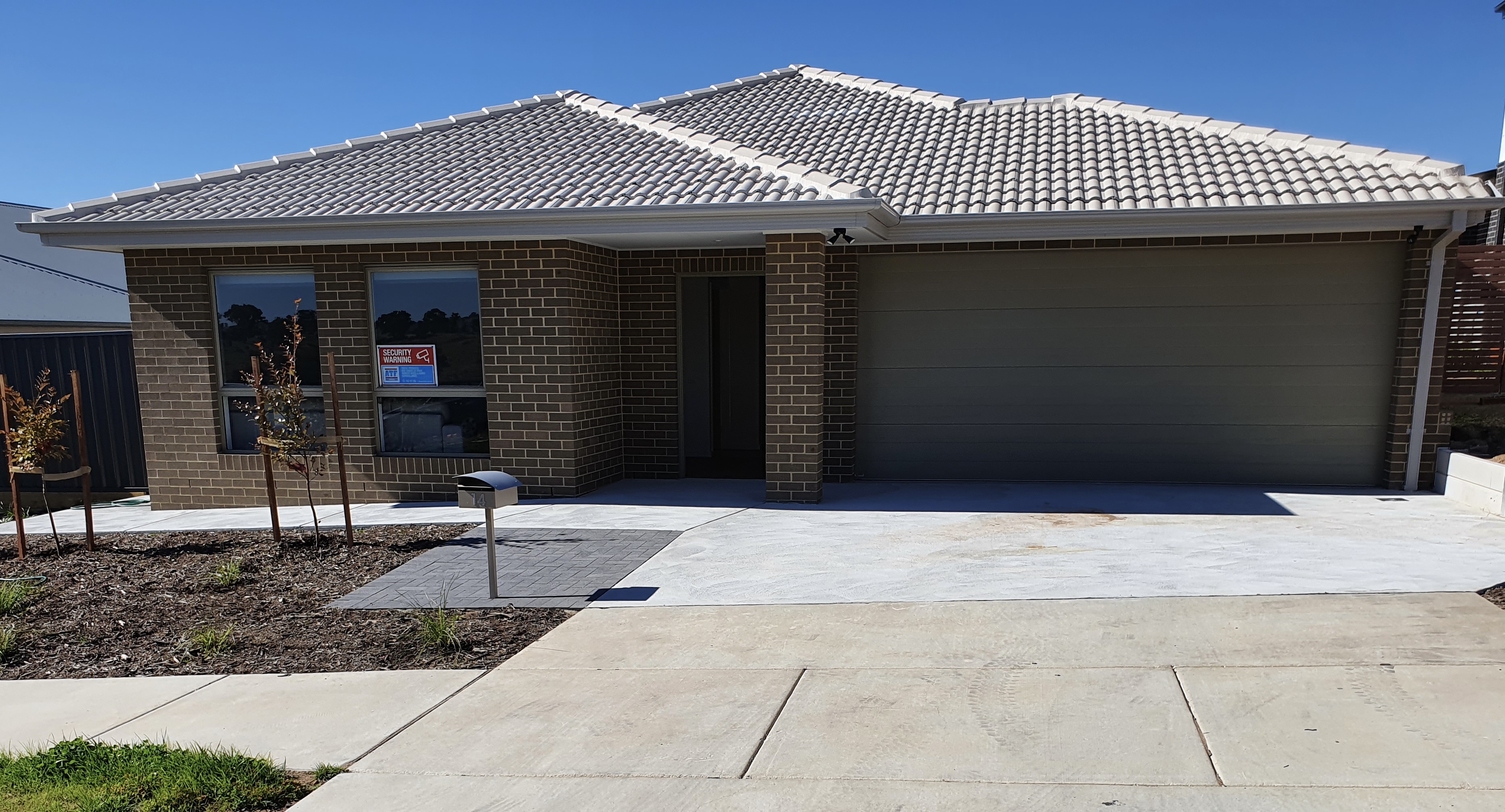
Page, ACT
[Two lines on what daily life in this house is like, and who would fit well here.]
Confirmed [date]
Ngunnawal, ACT
[Two lines on what daily life in this house is like, and who would fit well here.]
Confirmed [date]Alongside these, we support people living in Housing ACT properties, Community Housing Canberra homes, Havelock houses, private rentals and their own family homes. Rooms do come up in Housing ACT properties, but those are filled through the public housing system rather than by us, so we cannot offer them here. If you are already a Housing ACT tenant, talk to us and we will explain how that works.
A vacancy is not a bed to be filled. We look at support needs, routines, communication and what daily life in the house is actually like. Our vacancy review runs every fortnight, which is why the dates above mean something.
We do not provide tenancy services ourselves. That is deliberate, and it follows the direction set by the Disability Royal Commission. We work alongside your housing provider, and we support you to manage your tenancy in the same way we support you to access the community.
Skip the tour. Go straight to current capacity, what we take and what we do not, published rates, and a referral form built for you.
For participants and families
From complex health care through to everyday personal and community support. Every rate below is the NDIS catalogued price used to build your plan budget, so you can see what things cost before you speak to anyone.

Specialised care for people with complex health needs, requiring skilled, trained support workers and clinical oversight.
Delegated health care tasks requiring specialised training and clinical oversight: medication administration, enteral feeding management, tracheostomy care and ventilation support.
Complex bowel care, catheter management, specialised equipment support and health monitoring.
Complex wound care, pressure injury management, specialised dressings and care coordination.
Support for people with severe swallowing difficulties, including nutritional support, safe feeding techniques and liaison with your health team.
Who this is for. Participants with complex or clinical health needs where a higher level of worker training and clinical oversight is required. Rate: $79.60 weekday daytime, rising to $176.84 on public holidays. 24/7 and emergency services are individually quoted.
Essential daily living and community participation support.
Showering and bathing, dressing assistance, medication support and mobility aid.
Cleaning and tidying, meal preparation, shopping assistance and laundry support.
Social outings, sports and recreation, community events and volunteer opportunities.
Medical appointments, social activities, shopping trips and getting to work. $1 per kilometre.
Who this is for. Participants with Core Supports funding in their current plan. Rate: $73.58 weekday daytime. Sleepover support $311.79 per night.
Support coordination at Focus ACT is more than service delivery. It is a partnership built on strong communication and real connection.
Plan structure, goal setting, service arrangements and how to use your budget well.
Sourcing and vetting providers, community services, mainstream and government services.
Self-advocacy, communication, problem solving and the confidence to self-direct your supports.
Psychosocial recovery coaching for people living with a psychosocial disability arising from a mental health condition.
Rate: $100.14 per hour for Level 2 Coordination of Supports, charged in 12 minute increments, so $20.03 per 12 minutes. You only pay for the time actually used.
No referral is needed if support coordination is already funded in your plan. Just choose Focus ACT in the myplace portal. If it is not funded yet, ask your LAC or planner to include it in your next plan.
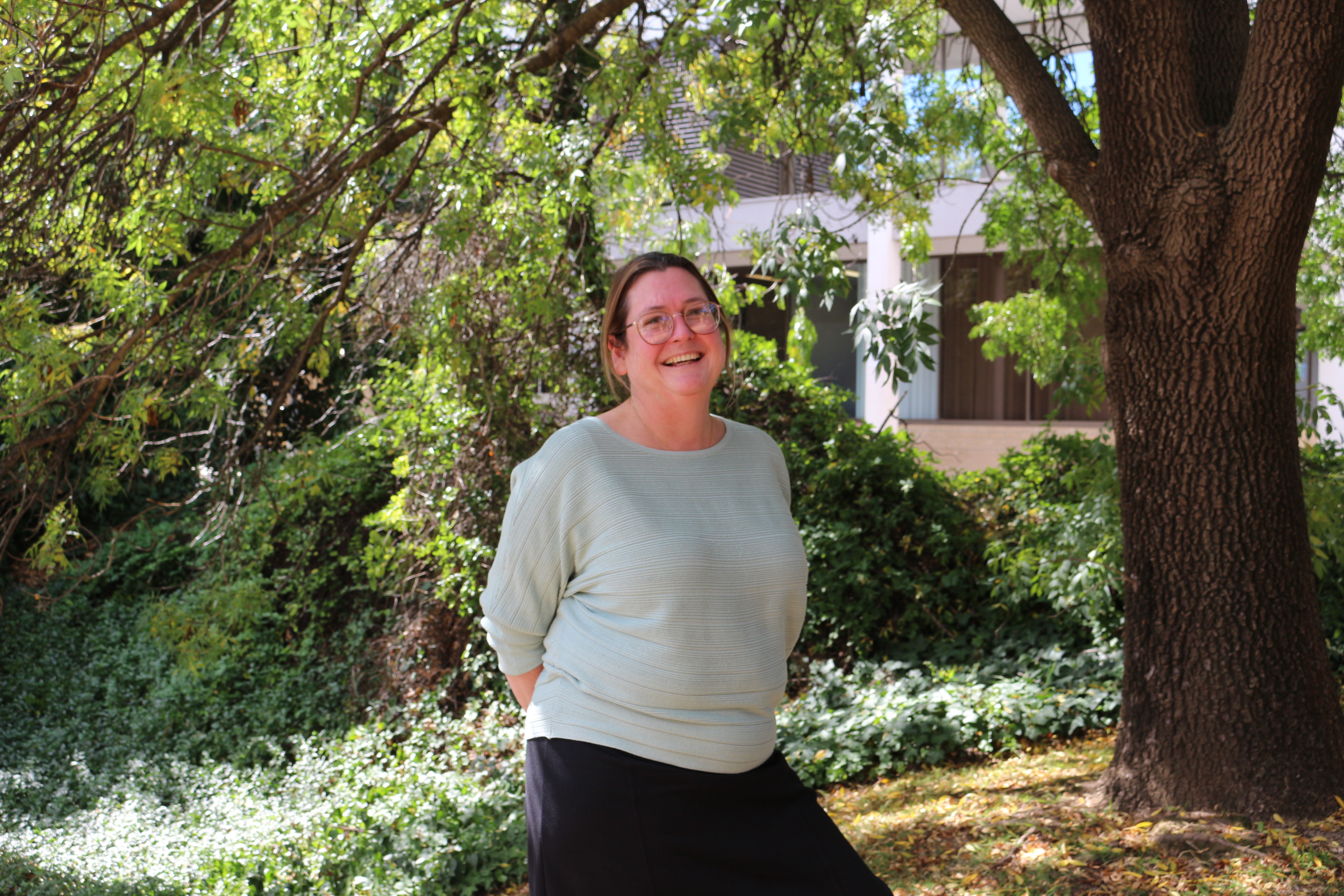 Your support coordinator
"I relocated from Perth to be closer to my family in Canberra. My father's experience with Parkinson's and Frontal Lobe Dementia has made me a passionate advocate for those living with these conditions. I bring extensive experience from the Early Childhood sector across WA and the ACT, and most recently spent several years as a Support Worker alongside paraplegic, quadriplegic and Autistic children and adolescents. I have a genuine love of life and I bring that same energy to everyone I support."
Areas of focus: Parkinson's and dementia, autism support, complex physical needs, early childhood background, pet friendly.
"Her knowledge, responsiveness and commitment have made a real difference, giving me confidence that the right supports were being put in place. Her dedication and willingness to go the extra mile have been invaluable."
Ian, participant · July 2026Each week, our team crafts a fresh programme designed to get participants out into the broader Canberra community, meeting new people, discovering new places, and building real connections. It is one of the parts of this work we love most.
Painting and drawing, pottery and ceramics, craft workshops, digital art.
Group excursions, cultural events, community festivals, dining out.
Adaptive sports, swimming programmes, walking groups, fitness activities.
Cooking and meal prep, life skills, computer literacy, financial literacy.

The programme runs five days a week. Some details change through the month, so this page is updated whenever the plan changes and always shows when it was last checked.
September 2026 · last updated [date] · times [to be added]
| Monday | Tuesday | Wednesday | Thursday | Friday |
|---|---|---|---|---|
| 1 Bowling | 2 Cooking | 3 Arts and craft | 4 No activity | |
| 7 Arts and craft | 8 Bowling | 9 Walking and catch-up | 10 Pampering day | 11 No activity |
| 14 Arts and craft | 15 Bowling | 16 Cooking | 17 Arts and craft | 18 No activity |
| 21 Arts and craft | 22 Bowling | 23 Walking and catch-up | 24 Pampering day | 25 Dinner night |
| 28 Arts and craft | 29 Movies | 30 Cooking |
Our most popular activity, and everyone is welcome. Tuesdays.
Learn kitchen skills and make a meal together. Dinner night is an evening activity.
Bracelet, necklace and card making, pot painting, colouring and painting. At Red Hill this has grown into a small crafting hub, where participants design products that go on to sell.
A casual walk somewhere new, then coffee and cake. A Friday favourite.
Time to relax and focus on your wellbeing.
A film on the big screen, as a group.
The programme is run by Binita, our Community Program Team Leader. If there is something you would like to see on the calendar, tell her and she will look at it.
Late September 2026. We will have a stand, and it is a good place to meet us without booking anything. Participants, families, carers and support coordinators all come through, and you can ask us whatever you like with no follow-up unless you want one.
If you are going, come and say hello.
Our staff have been donating through the Lifeblood Blood Drive, and those donations have now helped save 36 lives.
Christine from our support coordination team is walking 63 kilometres in the Lifeline Out of the Shadows Walk, one kilometre for each of the 63 Australians lost to suicide every week.
Service ManagerNearly twenty years in the disability sector, and moved to Canberra in 2017 to work in the NDIS. A strong advocate for the people we support.
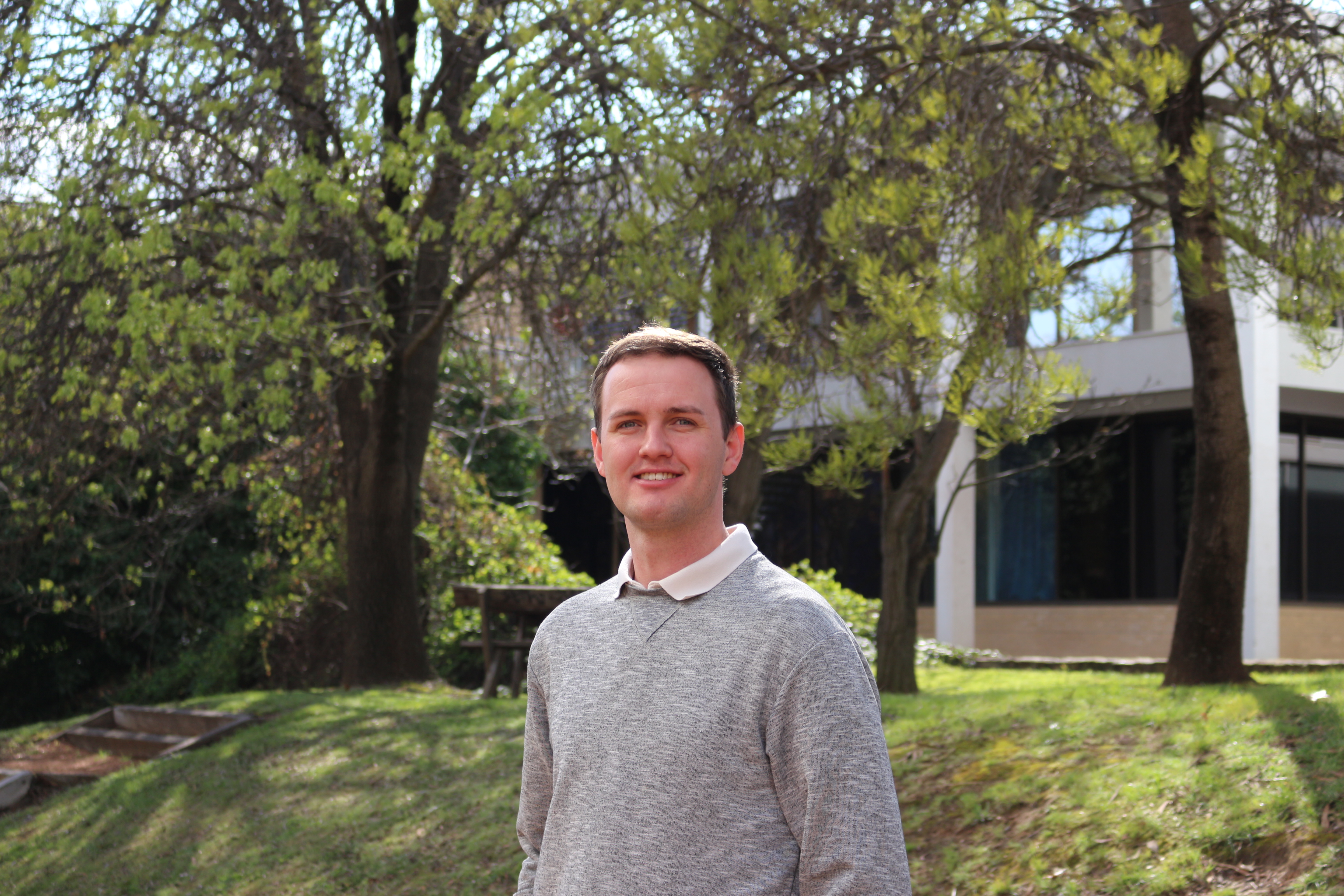 Team Leader
Leads teams in supported accommodation, focused on support that is practical, consistent and person-centred, from clear documentation to team culture people can rely on.
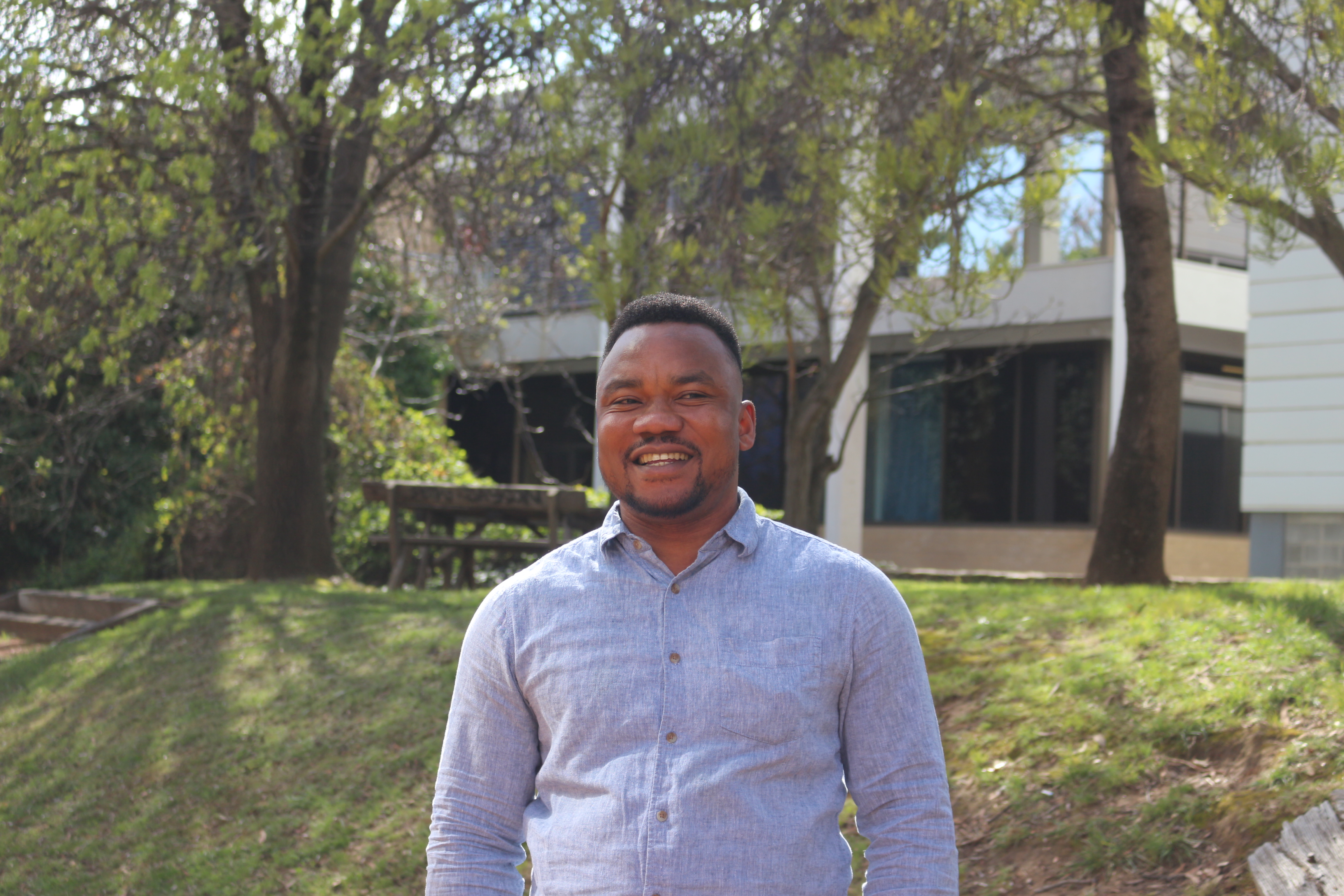 Team Leader
Came to disability support after caring for his late father for 23 years. Certificate IV in Leisure and Health, Diploma of Community Services, Master's Advanced Certificate in Public Health.
Canberra only, since 1989 · Registered NDIS provider · Not-for-profit charity
Choosing disability support for someone you are responsible for is an act of trust that most providers answer with adjectives. We would rather show you the things you can verify: our homes, our people, our rates, our registration record, and what happens when something goes wrong.
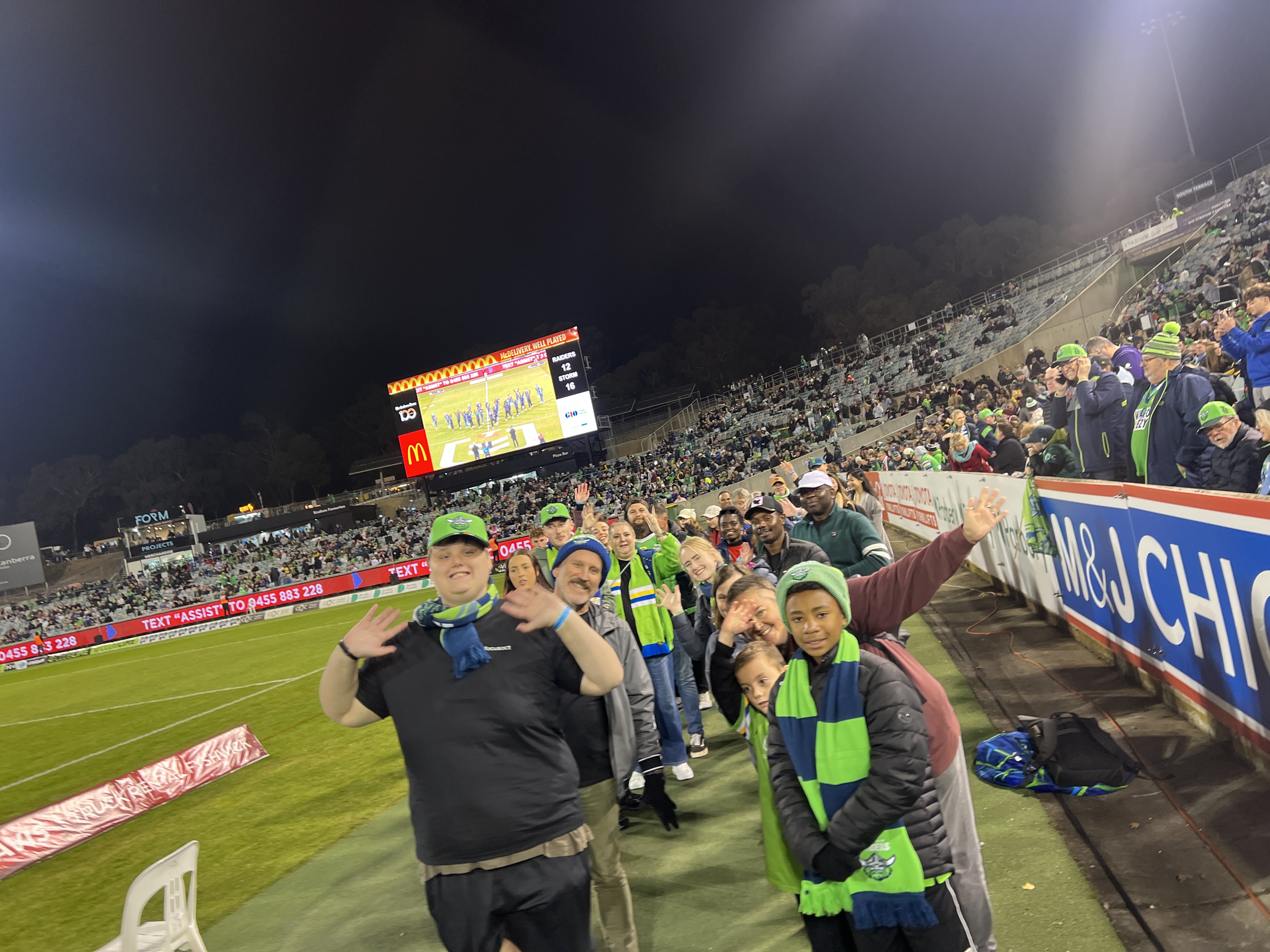
See our Supported Independent Living homes, whether there is room, how matching works, and what to ask any provider.
See our homes → For professionalsCurrent capacity, what we take and what we do not, published rates, and a referral form answered in one business day.
Referrer pathway → For participants and familiesHigh intensity and core supports, support coordination, recovery coaching, and community activities across Canberra.
Support services →35+ years
In Canberra, and nowhere else, since 1989
500+ people
Supported across the ACT
NDIS registered
Provider 4050001755, on the Commission's public register
Rates published
Every price, on every service page, before you ask
We want to be clear about how we work.
We encourage a trial period when first matching you with a support worker. After that trial, we keep that worker as your default, so you are not re-explaining your life, preferences and routines to a different face each week.
We respond to enquiries within one business day. Service Managers are contactable directly. There is no call centre to navigate and no ticket queue to wait in.
We arrange support across weekdays, evenings and weekends, built around your life rather than around what is easiest for us to staff.
When your needs change we move quickly. Service Managers can adjust supports without escalating through multiple approval layers.
What people say about us on Google
[rating] from 15 Google reviews · read them all →"Ethical and considered in approach. Bringing people living with a disability into their community and supporting agency and diversity."
Tabitha Everdeen · Google review"I cannot speak highly enough of Christine Kirby and the team at Focus ACT."
Ian Blewitt · Google review, July 2026"An organisation that genuinely cares about the people they support."
Pawan Gupta · Google review, July 2026Focus ACT was founded in Canberra in 1989 on a simple belief: that every person with a disability deserves real choice, genuine community connection, and support that fits their life. We support more than 500 participants across the ACT.
We are proudly not-for-profit. Every dollar we receive goes into improving the lives of the people we support. Our homes welcome First Nations participants, LGBTQIA+ participants, and in some houses, pets.
A national provider can match a website. It cannot become local.